Curated boutique health, wellness & performance products.
Flat $15 Shipping Australia-Wide.
Curated boutique health, wellness & performance products.
Flat $15 Shipping Australia-Wide.
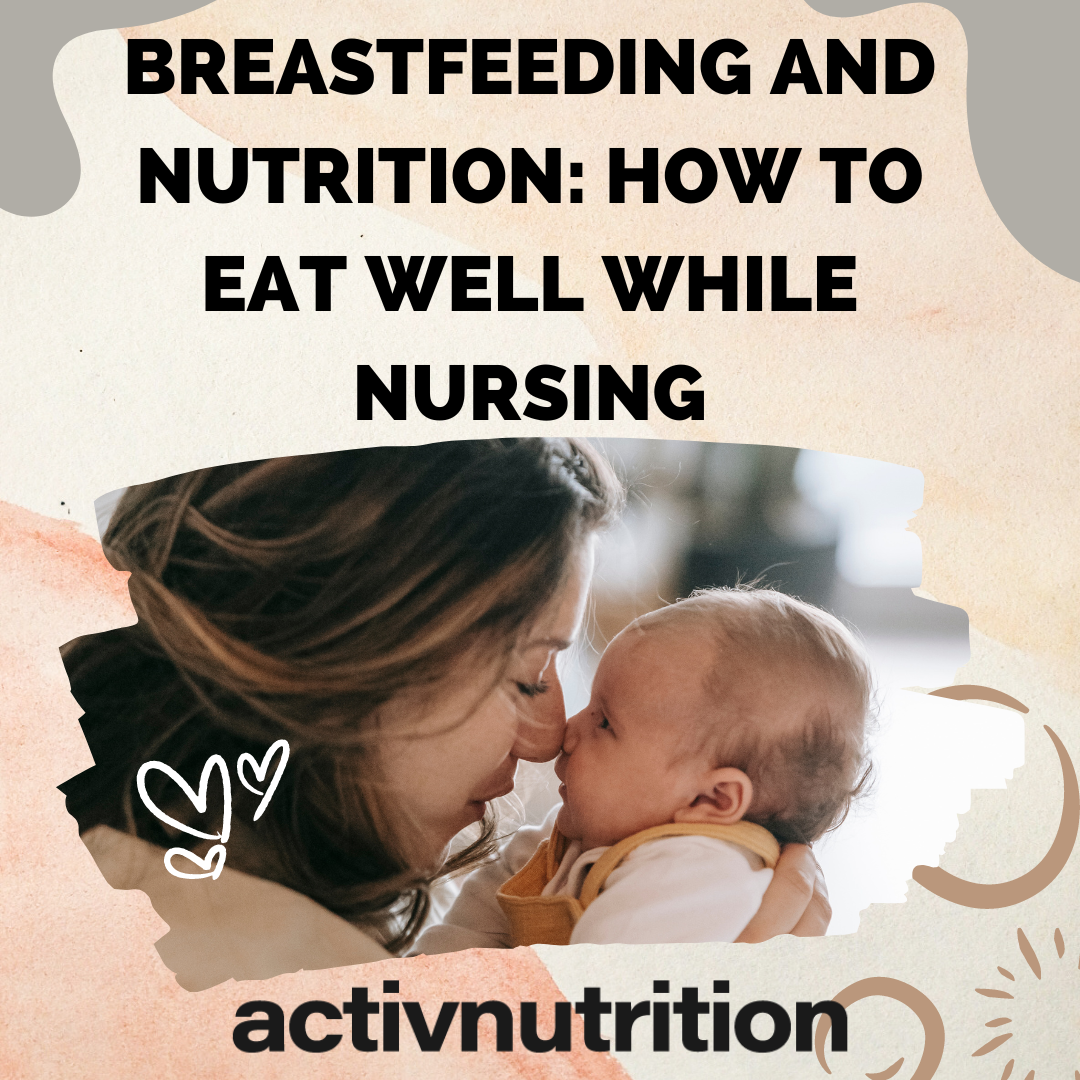
New moms and soon-to-be ones! We know that once that precious little bundle arrives, your world becomes a whirlwind of joy, sleepless nights, and countless diaper changes. Despite all that happening, you should take a great care of yourself too along with your eating habits. That’s right! We’re diving into the heartwarming realm of breastfeeding and nutrition.
Breastfeeding isn’t just about the magical moments shared. It’s also about the science of providing the right nutrients for both the mother and her baby. A well-nourished mother is more likely to overcome the challenges of pregnancy and breastfeeding.
Proper nutrition during breastfeeding helps the body’s recovery after childbirth. It can also support the production of high-quality breast milk to feed the baby’s growing needs. Therefore, a mom must focus on the nutrients she provides to her baby.
Let’s talk about how you can eat well while giving your baby the best nutrition through breastfeeding.
Believe it or not, the food you consume can influence the taste and nutritional profile of your breast milk. Your baby gets a taste of your culinary adventures through your milk, which can potentially shape their preferences as they grow.
Moreover, the nutrients you consume directly impact your energy levels, mood, and overall well-being, which in turn affect your ability to provide attentive care to your little one.
You probably have heard from your grandma that eating different foods can give your baby the best nourishment. A colourful plate usually translates to a well-nourished body. That’s actually true!
Variety truly is the spice of life, be it breastfeeding nutrition. A wide range of foods not only satisfies your taste buds but also gives your body diverse and absolute nutrients. Fruits, and vegetables when combined give a unique set of benefits.
While eating grains can skyrocket your energy levels throughout the day. But proteins should always be a top priority. Because, Lean proteins from poultry, fish, and legumes can aid in tissue repair and muscle growth, the important aspects of post-partum recovery. Moreover, the healthy fats in avocados, nuts, and olive oil are best support to brain health.
Superfoods are a great blessing that can literally help your body in any condition. The superhero cape might not be visible, but certain foods have the power to boost your milk supply.
These are like a nutritional gift to both mother and baby. You can also try Foragers Superfood Bee Pollen to increase healing after childbirth and sustain energy.
For more information on how the superfoods can be beneficial to your health. Read our detailed article on Super Foods for Health.
If you are a vegetarian or vegan mom, breastfeeding nutrition might seem like an additional hurdle. However, with thoughtful planning, you can also meet your breastfeeding nutritional requirements. Likewise, for more energy, try CBD Vegan Strawberries & Cream Gummies. You should also opt for plant-based protein and foods that have vitamin B12.
While a balanced diet forms the foundation, certain supplements can fill in the gaps for breastfeeding nutritional needs. However, before you pop that pill, learn about supplements that align with your body’s requirements such as your diet, lifestyle, and any existing medical conditions.
First up, we have our champions – DHA and Omega-3s. Omega-3 fatty acids, particularly DHA (docosahexaenoic acid), take centre stage in the realm of maternal and infant health.
These little wonders are like brain fuel, not just for you but for your baby too. They support brain development and can even help with your mood (cue the happy dance!).
Think of them as a tag-team duo ensuring you both sail through those early days with smiles.
Now, let’s not forget the sunshine vitamin, Vitamin D. This one’s a real energy booster. It’s like a cozy blanket for your bones, making sure they stay strong and sturdy. Getting enough sunlight is key, but a supplement can give you that extra oomph, especially if you’re spending more time inside with your bundle of joy.
Ah, the trusty multivitamins – your sidekicks in the quest for balanced nutrition.
When nursing, your body is working overtime, and these multivitamins are like a buffet of goodness. They pack in all sorts of vitamins and minerals to keep you firing on all cylinders. Because who needs to feel sluggish when there are baby giggles to enjoy?
Besides vitamins and supplements, there is another hero that demands the spotlight: water.
Adequate hydration is the unsung melody that orchestrates the symphony of milk production. Also, hydration can benefit your skin too. Moreover, learn about the 10 signs you should invest in skin hydration.
Imagine a gentle stream flowing through a meadow, nurturing life along its banks. In a similar manner, staying hydrated supports the production, flow, and composition of breast milk. Water is the conductor that ensures your mammary glands are in tune, creating a harmonious flow of nourishment for your baby.
Meal Planning is an important element to use your time wisely and spend with your little bean. Here are some of the practical strategies to help you navigate meal planning for breastfeeding and maternal nutrition while juggling your busy mom life.
Start your day with a solid breakfast – think oats that aren’t just any oats, but the whole-grain kind. Throw on some Greek yogurt, fresh fruit, and a sprinkle of chia seeds for that all-day energy and the stuff your body needs.
Meanwhile, lunchtime can be pretty exciting too. Grab a colourful salad loaded with leafy greens, add some grilled chicken or tofu for that protein punch, and toss in a bunch of crunchy veggies. Oh, and don’t skip the calcium, whether it’s dairy or one of those plant-based alternatives.
And for dinner, go for lean protein like turkey, lentils, or quinoa, and load up on the veggies. Also, sneak in some iron-rich foods like spinach or lean red meats to keep anemia at bay during the post-baby phase. You got this!
Snacking can be a valuable part of your nutrition too while pregnant and breastfeeding. It can provide you with additional nutrients to meet the extra energy demands. Opt for nutrient-dense snacks that are convenient and of course satisfying.
When the mid-day hunger strikes, you can also turn to snacks that combine protein, healthy fats, and fibre. A handful of mixed nuts and seeds can provide the satiety you need while delivering essential nutrients.
Greek yogurt topped with honey and fresh berries is another great option that adds probiotics for gut health.
While it’s tempting to reach for sugary or processed snacks for a quick energy boost, these options can lead to energy crashes and provide little nutritional value.
Instead, choose snacks like carrot sticks with hummus, whole-grain crackers with cheese, or homemade energy bars made with oats, nuts, and dried fruits.
Here, learn about 7 strategies to manage your sugar cravings.
Staying active while you’re breastfeeding can be super good for your body and mind. But remember, pick exercises that won’t cause any harm to the baby and are easy to keep up with while you’re in this phase.
Engaging in gentle exercises such as walking, swimming, or post-natal yoga can help you stay active without putting excessive strain on your body. These activities promote circulation, improve mood, and aid in maintaining a healthy weight.
The idea of postpartum weight loss might be on your mind, but it’s important to approach it in a healthy and sustainable way. Focus on gradual weight loss by making consistent, mindful food choices and staying active. Crash diets can deprive you of essential nutrients and negatively impact your milk supply.
Instead of just cutting calories, reach out for smaller portions of food. Listen to your hunger cues, and eat well.
As a new mother starts breastfeeding, a myriad of nutrition concerns often accompany this wonderful experience. From overcoming breastfeeding challenges to managing food sensitivities, there’s a lot to consider. Here are your most of the concerns with solutions.
Breast milk is a marvel of nature, tailored to provide optimal nutrition for your baby. However, some infants may exhibit sensitivities or allergies to certain components transferred through breast milk. In such cases, recognizing potential allergens and managing these sensitivities is the key.
While rare, babies can be sensitive to allergens from a mother’s diet, such as cow’s milk protein, soy, wheat, nuts, and fish. If you suspect food sensitivity, keep a food diary to track potential correlations between your diet and your baby’s reactions.
If you identify a potential allergen, consult your healthcare provider before eliminating it from your diet. They can guide you through an elimination diet while ensuring you still receive balanced nutrition.
But remember, every baby’s reaction is unique, so professional guidance is vital.
While spices add zest to our meals, some nursing mothers worry about their impact. Spices themselves are unlikely to cause issues, but they can occasionally affect your baby’s digestive system, leading to fussiness.
If you enjoy spicy foods, consider enjoying them in moderation and observing your baby’s reactions.
Light alcohol consumption is generally considered compatible with breastfeeding. But it’s advisable to feed your baby or pump before consuming alcohol. This will allow time for your body to metabolize it.
Typically, waiting a few hours per drink before nursing again is a good thumbs up.
Yes, prenatal vitamins provide a safety net for any gaps in your diet. Take supplements that are usually tailored to breastfeeding moms, as your nutrient needs differ now.
As long as it’s working for you and your little one, keep on breastfeeding – it’s still super important. And don’t forget about eating right to take care of yourself during this post-baby adventure. A balanced diet is your best friend!
Staying hydrated is crucial for milk production and overall health. You should drink approximately 10 glasses a day, or can simply adjust it according to your individual needs and activity level.
Breastfeeding creates a unique bond while providing optimal nutrition. A well-nourished mother is better equipped to handle the demands of motherhood and recover from childbirth.
Breastfeeding increases your calorie and nutrient requirements. It’s essential to eat nutrient-rich foods and stay attentive to your body’s cues for hunger and fullness.
Breastfeeding and nutrition go hand in hand to fuel both you and your little one. As a breastfeeding mom, it’s all about finding that sweet balance. Wholesome meals filled with a variety of nutrients will not only keep your energy up but also contribute to your baby’s nourishment.
So, here’s the scoop: nourishing yourself while breastfeeding is a win-win. Load up on those greens, lean proteins, and whole grains to keep your body thriving. And let’s not forget the joys of hydration!
Remember, breastfeeding and nutrition are not just about the now, instead, they pave the way for a strong and healthy start in life.