Choosing a protein powder in Australia can mean comparing different protein sources, serving sizes, ingredients and prices. If you are considering whey protein powder, the number on the front of the tub is only the starting point. What is the protein source, how concentrated is the formula, what else does it contain, and does it suit your budget and routine?
At Activ Nutrition, our focus is a carefully selected range with an emphasis on nutritional quality and value. Smaller suppliers deserve consideration alongside familiar names, especially when their formulations offer features that matter to you.
Here is how to look beyond the branding and compare what you are actually buying.
Where protein powder fits alongside high protein foods
Before comparing tubs, consider the protein you already get from meals and snacks. High protein foods include lean meat, poultry, fish, eggs, tofu and legumes. Milk and yoghurt also contribute protein, while beans, lentils and tofu are useful plant-based protein sources.
Build high protein meals around foods you enjoy and can prepare consistently. A chicken and rice bowl, lentil salad or tofu stir-fry can provide a practical starting point; the protein content depends on the ingredients and portions.
Protein shakes can be convenient when you need to supplement what you eat. The Australian Institute of Sport recommends a food-first approach to meeting protein needs. Count protein from your whole diet, including food, drinks and supplements, when deciding whether a powder fills a useful gap.
Compare whey protein powder by protein per 100g
Comparing scoops can be misleading because serving sizes vary. A powder providing 30g of protein in a 45g serve contains less protein by weight than one delivering 25g in a 30g serve.
Those examples work out to approximately 66.7g and 83.3g of protein per 100g respectively. They are illustrative calculations, not a comparison of Activ Nutrition products.
Use the per-100g column on the nutrition panel to compare protein concentration, then check the serving size you intend to use. Review sugars, fat, energy and sodium alongside protein.
Protein concentration is one measure of quality, but it does not describe the entire nutritional profile.
Whey protein concentrate, isolate and hydrolysed whey
Whey protein concentrate, isolate and hydrolysed whey are different forms of dairy protein.
Whey protein concentrate (WPC)
Concentrate generally retains more carbohydrate and fat and can be a practical, lower-cost option.
Whey protein isolate (WPI)
Isolate undergoes further filtration to increase protein concentration and reduce carbohydrate and fat.
Hydrolysed whey protein
Hydrolysed whey is processed to break proteins into smaller peptides.
A blend may combine more than one form. The Australian Institute of Sport notes that the practical differences between whey forms can be small, so the most expensive option is not automatically the most useful for your needs.
Also, “100% whey” does not mean the finished flavoured powder contains 100g of protein per 100g. Read the ingredients and nutrition panel together.
Check the ingredients and overall nutritional profile
Some whey protein powders focus on a short ingredient list. Others include added amino acids, digestive enzymes, vitamins or minerals.
These differences are worth examining. Ask:
- Which ingredients have been added?
- Are their quantities disclosed?
- What purpose do they serve?
- Do they offer something relevant to your needs?
Our range includes products from Alpha Genetics and Total Science Nutrition. Their published descriptions highlight whey formulations with additional ingredients; the latter describes added glutamine, bromelain and a vitamin and mineral complex.
These are features to investigate, rather than a reason to assume every enriched formula is better for everyone. Additional nutrients are most useful to compare when you can see their amounts, not simply their names.
Whey already contains amino acids. A BCAA figure on a label may describe amino acids naturally present in the protein, rather than a separate addition. Avoid counting them as extra protein on top of the declared total.
How to compare smaller protein suppliers with bigger brands
A familiar brand name can make choosing easier, but it should not replace reading the label. Smaller suppliers also deserve a place in your comparison when they provide clear product information and a formulation suited to your priorities.
Apply the same questions to every supplier: what is in the product, what evidence supports its claims, and what are you paying for?
Added ingredients are not exclusive to smaller brands. For example, Uprotein lists digestive enzymes in its Hydro + Enzymes product, while GHOST also advertises enzymes in its whey range. The useful comparison is between specific formulas, not assumptions about company size.
Activ Nutrition’s emphasis is on the products we choose to offer and the reasons they may suit our customers.
Consider digestive comfort when choosing whey protein
A protein powder also needs to fit comfortably into everyday use.
Customers have shared positive feedback with Activ Nutrition about how products in our protein range sit in their stomach. That experience matters to us alongside nutritional information, flavour and value.
It remains individual feedback. It does not establish that a product improves gut health, prevents bloating or is suitable for everyone with lactose intolerance.
If lactose is a concern, check the specific product’s lactose information rather than relying on the word “isolate”. The AIS identifies lactose in whey concentrate as a consideration for particularly sensitive consumers. Ask for product-specific information if the label does not answer your question.
Compare the cost per 25g of protein
The cheapest tub is not necessarily the cheapest source of protein. Pack size, protein concentration and serving count all affect the calculation.
For example, a hypothetical 1kg tub costing A$80 and containing 80g protein per 100g supplies 800g of protein overall. That works out to A$2.50 per 25g of protein.
This gives you a consistent starting point. Then consider whether the flavour, formulation, service and any relevant additions justify the price for you. Include delivery charges when comparing the final cost.
Frequently asked questions about protein and whey protein powder
What is protein?
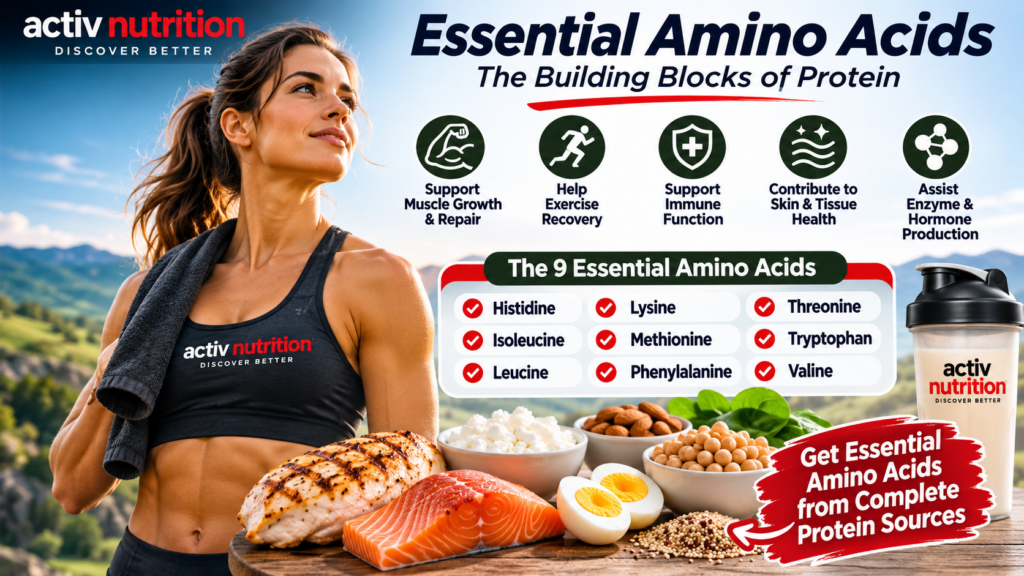
Protein is a nutrient made from amino acids. Your body uses it to build, repair and maintain cells and tissues. It is found in foods such as meat, fish, eggs, dairy, tofu and legumes. Whey protein is one milk-derived source of this nutrient; protein powder is a convenient supplement format.
What is whey protein?
Whey protein is a group of proteins naturally found in milk. In powder form, it provides a convenient way to add protein to meals, snacks or shakes. It is one option for meeting your protein needs alongside everyday foods, rather than a necessary supplement for everyone.
What is whey protein made from?
Whey protein comes from milk, commonly from the liquid separated from curds during cheesemaking. That liquid is processed to concentrate the protein. A finished whey protein powder may also contain flavourings, sweeteners and other ingredients, so check the full ingredient list for the product you are buying.
How is whey protein made?
Manufacturers collect liquid whey, filter it to concentrate the protein and remove varying amounts of other components, then dry it into powder. Additional processing produces different ingredients, including whey protein isolate. Hydrolysed whey undergoes another step that breaks proteins into smaller peptides. The finished supplement may then be blended with flavourings and other ingredients.
What is whey protein isolate?
Whey protein isolate, or WPI, is a filtered whey ingredient with a high protein concentration and relatively little fat or lactose. The ingredient typically contains at least 90% protein on a dry-matter basis. A finished flavoured powder can contain a lower percentage because it includes other ingredients. Check the product’s protein-per-100g figure rather than assuming every isolate powder is 90% protein.
Is whey protein good for you or bad for you?
Whey protein can be useful when you need a convenient way to meet your protein requirements, but whether it suits you depends on your diet, needs and tolerance. It is not essential if food already supplies enough protein, and a shake does not replace the variety of nutrients in a balanced diet. Whey is a milk protein, so it is unsuitable for someone with a milk allergy; lactose content is a separate consideration for people with lactose intolerance.
Does whey protein have lactose?
It can. Whey protein concentrate retains some lactose, while isolate generally contains less after further processing. However, “whey protein isolate” does not automatically mean “lactose-free”. Check the specific product’s label and ask the supplier for lactose information if needed. Tolerance varies between people. Positive customer feedback about digestive comfort does not guarantee that a product will suit someone with lactose intolerance.
How much protein should I eat a day?
The number of grams of protein you need per day depends on your age, body size, health and activity. Australia’s Nutrient Reference Values list adult protein RDIs of 0.75g per kilogram of body weight for women aged 19–70 and 0.84g per kilogram for men aged 19–70. These are general reference intakes, not personalised training targets.
For athletes in heavy training, the AIS gives a range of 1.2–1.6g per kilogram of body weight daily. For a 70kg athlete, that equates to 84–112g of protein from all food and drinks combined. Requirements can differ for older adults, pregnancy, breastfeeding and medical conditions. An accredited practising dietitian can help set an appropriate personal target.
Daily protein targets refer to grams of protein, not grams of protein powder.
How much protein is in an egg?
One egg provides approximately 6.3g of protein, with two providing around 12.7g, according to Australian Eggs’ nutrition analysis. These figures use eggs from a 700g dozen, with an edible portion of about 52g per egg. The amount varies with egg size. Count eggs towards your daily food intake before deciding whether a protein shake is needed.
How much protein is in a chicken breast?
The amount depends on the portion size and how it is prepared. As one specific example, the Australian Chicken Meat Federation reports approximately 35g of protein per 100g of stir-fried chicken breast. A 150g cooked portion at that concentration would provide about 52.5g. This is not a universal figure for every breast: match the nutrition information to the preparation method and whether you weighed the chicken raw or cooked.
Are protein shakes better than high protein foods?
They serve different practical purposes. A shake offers convenience, while everyday foods contribute a wider range of nutrients and variety to your meals. The AIS recommends considering your existing diet and practical needs before using a protein supplement. Choose a whey protein powder when it helps you meet a genuine need, rather than assuming more shakes automatically improve your diet.
Choosing whey protein powder at Activ Nutrition
At Activ Nutrition, we want customers to understand what they are buying. Our emphasis on selected suppliers reflects a focus on nutritional quality, formulation and value, with customer feedback helping us understand the everyday experience.
The right whey protein powder should meet your needs at a price you can justify. Look for a clear label, a suitable protein source and specific reasons to choose the formula.
Explore our whey protein options or contact Activ Nutrition through our website for current product information before choosing.