Curated boutique health, wellness & performance products.
Flat $15 Shipping Australia-Wide.
Curated boutique health, wellness & performance products.
Flat $15 Shipping Australia-Wide.
Sperm count, also known as sperm concentration, refers to the number of sperm in a man’s semen. A healthy sperm count is at least 15 million sperm per millilitre of semen. Low sperm count, also known as oligozoospermia, can contribute to infertility. Low sperm production can affect a man’s fertility, making it harder for him to conceive a child. In this article, we will discuss 10 strategies to help improve a man’s sperm count and enhance his chances of fathering a child.
Eating a healthy diet is essential for overall health, including sperm health. Certain nutrients and minerals, such as vitamin C, zinc, and selenium, can improve sperm production and motility. A balanced and diverse diet is the key to getting all the necessary nutrients for sperm health.
Foods that are rich in these nutrients include:
Limiting added sugars is also essential, as they can negatively impact sperm health. Additionally, it’s crucial to drink enough water and stay hydrated as it helps to keep the sperm healthy and active.
Obesity has been linked to a lower sperm count and poor sperm quality. Studies have shown that men who are overweight or obese have a lower sperm count compared to men with a healthy weight. This is likely because excess body fat can increase estrogen levels, negatively impacting sperm production.
To maintain a healthy weight and improve sperm count, it’s essential to:
Studies have found that moderate alcohol consumption can negatively impact sperm count, motility, and morphology. Moderate drinking is defined as up to 2 drinks per day for men. Heavy alcohol use can also cause testicular damage and hormonal imbalances, leading to further problems with fertility.
To reduce alcohol consumption and improve sperm count:
Regular exercise can help to improve the health of the reproductive system. When a man engages in regular physical activity, the body’s circulation improves, which can help to increase blood flow to the testicles. This increased blood flow can help to improve the function of the testicles and increase sperm production.
A 14-24 weeks training program focusing on aerobic and resistance exercises has improved semen quality, sperm motility, and increased testosterone levels. Weight resistance and cardiovascular exercises are recommended to maintain a healthy lifestyle and boost fertility.
Mindful of certain activities or habits that can potentially harm fertility:
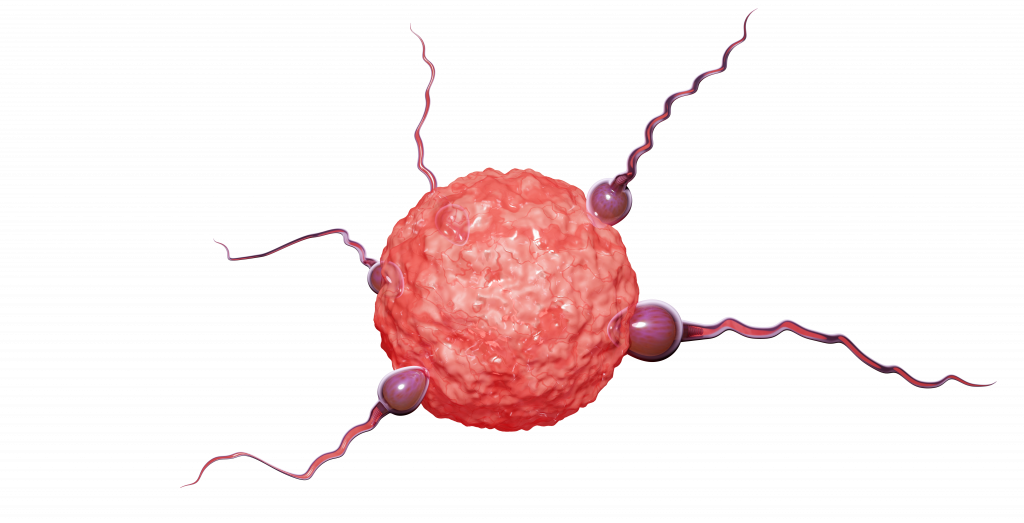
Studies have shown a link between sleep and sperm count. Getting enough sleep can positively impact sperm count and overall health. It’s also important to note that poor sleep quality or insomnia can adversely affect sperm count.
Tips for getting a good night’s sleep:
Smoking can negatively impact fertility in several ways. Nicotine present in cigarettes can cause the blood vessels in the testicles to constrict, reducing blood flow and oxygen to the area. This can lead to a decrease in sperm production and may result in abnormal or lower-quality sperm. Additionally, the toxins in cigarette smoke can damage sperm DNA, making it more difficult for the sperm to fertilize an egg.
Here are a few tips for quitting smoking:
Stress can release hormones such as cortisol and adrenaline, which can interfere with testosterone, the primary male sex hormone responsible for sperm production. Stress can also lead to changes in blood flow, which can affect the testicles and decrease sperm production.
Here are a few stress management techniques that may be helpful:
Certain toxins, such as pesticides and heavy metals, can negatively impact sperm by damaging sperm DNA. Pesticides, for example, can mimic estrogen in the body and disrupt the hormonal balance necessary for healthy sperm production. Heavy metals, lead, and cadmium can damage the sperm’s genetic material.
To avoid toxins and protect sperm count, you can take the following steps:
Certain vitamins and minerals can help improve sperm count by supporting sperm production and function. For example, zinc is vital for sperm production and has been shown to increase sperm count and motility. Vitamin C is also important for sperm health as it acts as an antioxidant, protecting sperm from oxidative stress. Vitamin E, selenium, and Coenzyme Q10 are also antioxidants that can help improve sperm quality. Folic acid is also essential for sperm health, as deficiency of it can lead to abnormal sperm shape and poor sperm movement.
Supplements that are beneficial for sperm health:
Vitamin A and E can be toxic at high doses, so it is crucial to stick to the recommended dosage and not exceed it.
Certain sexually transmitted infections (STIs) can decrease sperm count by causing inflammation and damage to the testicles. For example, chlamydia and gonorrhea can infect the epididymis, the tube carrying sperm from the testicles, leading to scarring and blockages that can reduce sperm count. Other STIs, such as HIV, Herpes and syphilis, can also decrease sperm count by causing inflammation in the testicles and reducing overall testicular function.
Here are a few tips for practising safe sex:
By implementing these strategies, men can improve their sperm count and increase their chances of fertility. It’s important to note that these strategies work best when implemented together and are not a one size fits all solution. Therefore, it’s best to consult a specialist to understand the best action for one’s situation. Additionally, it’s crucial to maintain a healthy lifestyle and have regular checkups with your doctor to understand if any underlying issues may impact your sperm count and fertility.